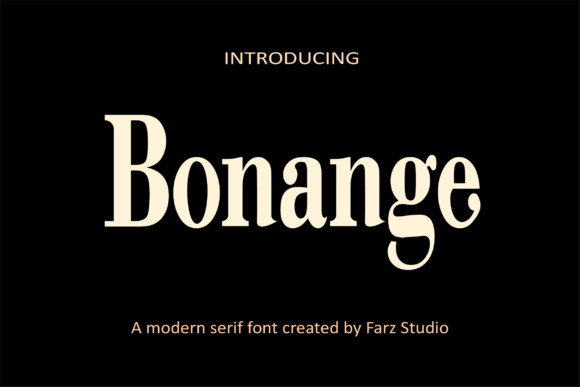
Bonange: A Serif Font for Makers
The morning light was just hitting my workbench when I opened the design file for a new batch of soy candle labels. I had been struggling to find the right balance between rustic charm and modern elegance. My usual go-to scripts felt too busy against the minimalist kraft paper, and the blocky sans serifs lacked the warmth I wanted to convey. That is when I loaded Bonange. As soon as the letters appeared on the screen, the mood of the entire project shifted. It was bold yet graceful, commanding attention without shouting. For anyone who spends their days cutting vinyl, printing stickers, or designing digital downloads, finding a typeface that feels both professional and personal is rare. Bonange is exactly that kind of discovery.
This serif font brings a level of sophistication that instantly elevates handmade products. Whether you are creating wedding invitations, boutique packaging, or printable wall art, the visual personality of Bonange offers a versatile style that adapts beautifully to various creative needs. It is not just about choosing a font; it is about selecting a voice for your brand. In this article, I want to share how this specific typeface has transformed my design workflow and how it might help you create more spectacular designs for your own shop.
Elevating Product Labels and Packaging
One of the most challenging aspects of running a handmade business is ensuring that your physical products look as good on the shelf as they do in your online listings. Product labels are often the first point of contact between your customer and your brand. I recently used Bonange for a line of small-batch skincare jars. The font’s clean lines and classic serif structure provided a sense of trust and quality. When printed on clear vinyl stickers, the letters remained crisp and legible, even at smaller sizes. This readability is crucial for ingredients lists or usage instructions, but Bonange truly shines when used for the product name itself.
The bold weight of the font allows it to stand out against textured backgrounds. I tested it on matte black labels with white ink, and the contrast was striking. For makers using cutting machines like Cricut or Silhouette, the vector paths of a well-designed serif font are essential. Bonange handles well during the weeding process, provided you are working with larger titles or logos rather than intricate, tiny details. It is ideal for display use on packaging, giving your boxes, bags, and tags a cohesive and high-end look. When customers receive a package that feels thoughtfully designed, it enhances their overall experience and encourages repeat business.
Creating Memorable Stationery and Invitations
Wedding season is always a busy time for printable creators, and having a reliable font library is key. Bonange has become a staple in my invitation templates. Its elegant curves and balanced proportions make it perfect for names and dates on wedding suites. Unlike some decorative fonts that can be difficult to read, Bonange maintains clarity while offering a touch of romance. I paired it with a delicate script font for the body text, and the combination created a harmonious hierarchy that guided the eye naturally through the information.
Beyond weddings, this serif font works wonderfully for birthday cards, baby shower announcements, and bridal shower invites. The versatility of the style means it can feel traditional or contemporary depending on the accompanying graphics. For digital downloads, such as editable Canva templates, using a font that is widely appreciated for its aesthetic appeal can increase the perceived value of your product. Customers are drawn to designs that look polished and professional, and Bonange delivers that premium feel without being overly ornate.
Designing Home Decor and Wall Art
Printable wall art is another area where typography plays a central role. I recently designed a set of motivational quotes for a home office collection. Using Bonange for the key words added weight and emphasis, turning simple phrases into striking visual statements. The font’s structural integrity ensures that it looks good at large scales, which is essential for posters and framed prints. Whether you are creating farmhouse-style signs with rustic textures or modern minimalist art with plenty of white space, this typeface adapts seamlessly.
When designing for large formats, pay attention to spacing. Bonange benefits from slight adjustments in kerning to ensure that the letters breathe properly. This attention to detail makes a significant difference in the final print quality. For makers who sell physical signs made from wood or acrylic, the font’s bold strokes translate well to laser cutting or vinyl application. It provides a solid foundation for layered designs, allowing you to experiment with colors and materials while keeping the text as the focal point.
Brand Identity and Digital Presence
Your brand identity extends beyond physical products to your online presence. Social media graphics, website headers, and email newsletters all benefit from consistent typography. Using Bonange across these platforms helps build brand recognition. When customers see the same distinctive serif font on your Instagram posts, your Etsy banner, and your product packaging, it creates a cohesive narrative. This consistency builds trust and makes your shop memorable in a crowded marketplace.
For web design and digital marketing, consider pairing Bonange with a clean sans serif font for body copy. This contrast improves readability on screens while maintaining the elegant tone established by the header text. The font also works well for logo design, especially for businesses that want to convey reliability and style. Whether you are a florist, a baker, or a jewelry maker, the emotional appeal of this typeface aligns with brands that value craftsmanship and attention to detail.
Practical Tips for Using Bonange
To get the most out of this creative font, keep a few practical considerations in mind. First, always check the included styles and features. Many premium fonts come with alternates, ligatures, and swashes that can add unique flair to your designs. Experiment with these elements to customize your text and avoid a generic look. Second, be mindful of licensing. Before selling physical products or digital templates, ensure that your license covers commercial use. This step is vital for protecting your business and respecting the designer’s work.
- Pairing: Combine Bonange with simple sans serif fonts for a modern look or with handwritten fonts for a softer, more personal touch.
- Readability: Use it primarily for titles, headings, and short phrases. Avoid long paragraphs to maintain visual impact.
- Testing: Always print a test sheet before running a full batch of labels or stickers to check for size and clarity.
- Versatility: Try it on different materials, such as kraft paper, glossy cardstock, and fabric, to see how the ink interacts with the texture.
Incorporating Bonange into your design toolkit opens up new possibilities for your creative projects. It is more than just a set of letters; it is a design asset that helps you communicate the quality and care behind your handmade goods. From candle labels to wedding invitations, this serif font offers the elegance and versatility needed to make your products stand out. Embrace the process of experimenting with typography, and let your designs reflect the passion you put into every item you create.